
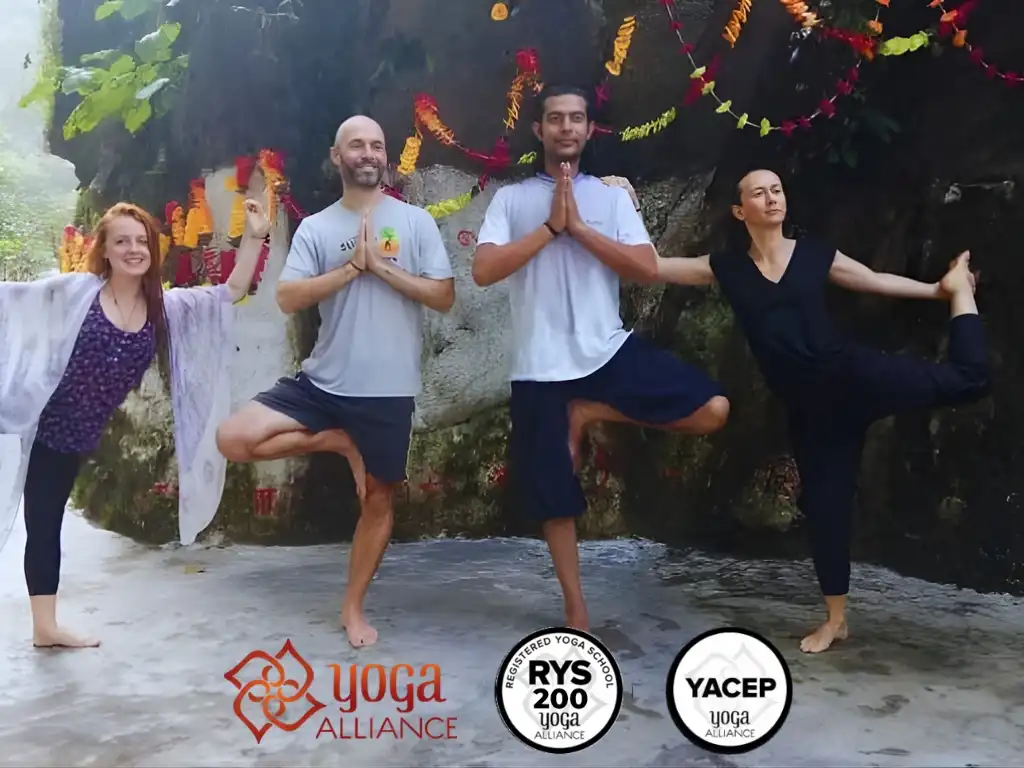
200-Hour Yoga Teacher Training (RYS 200)

- Rishikesh
- 23-24 Days
- USD 1,050 (Shared) - USD 1,200 (Single)
- 3 Organic Vegetable Meals
- Sightseeing / Excursions on Sunday
- Yoga Mat, Books, Neti pot, Bag and more
200 Hour Yoga Teacher Training in Rishikesh, India — Anadi Yoga Centre
There is a special kind of clarity that comes when you learn yoga in a place where yoga is part of everyday life—not a weekend hobby, not a workout trend, but a living tradition. Anadi Yoga Centre’s 200 Hour Yoga Teacher Training in Rishikesh is created for students who want to begin from the roots: understanding the body, learning the breath, exploring the mind, and gradually stepping into the role of a teacher (or a serious practitioner) with steadiness and confidence.
This training is beginner-friendly, yet deep. You don’t need to arrive with perfect flexibility or years of practice behind you. What you do need is sincerity—curiosity, discipline, and the willingness to show up each day. Over the span of four immersive weeks, you will study yoga as a complete system: traditional Hatha, intelligent Vinyasa Flow, foundational meditation and its inner layers, essential yoga philosophy based on classical texts, applied anatomy, breath science through pranayama, and the practical skills needed to guide others safely.
Rishikesh supports this journey in its own quiet way. The river’s presence, the mountain air, the rhythm of early mornings, and the simple focus of an ashram-like routine n invites you to slow down. In that slowing down, many students find the real beginning: not just learning postures, but learning how to listen—how to move with awareness, how to breathe with intention, and how to carry yoga into daily life.

A Training That Builds Real Foundations
The 200-hour teacher training is often called a “stepping stone,” but at Anadi Yoga Centre we treat it as something more important: a strong base. When the base is stable, growth becomes effortless—whether you want to teach internationally, guide small community classes, deepen your practice at home, or simply understand the “why” behind what you do on the mat.
This program is designed to help you:
- Build a safe and sustainable asana practice (without forcing or rushing the body)
- Understand alignment principles that protect joints and support long-term progress
- Learn how breath influences energy, mood, and focus through pranayama
- Experience meditation beyond “trying to stop thoughts,” exploring layers of awareness
- Study the philosophy of yoga in a way that feels practical, relevant, and lived
- Gain a practical knowledge of anatomy and movement for smarter practice and teaching
- Develop core teaching skills: cueing, sequencing, observation, class structure, and confidence
- Step into a consistent routine that supports a yogic lifestyle, not just yoga classes
This is yoga taught with patience and respect for the individual. You will be guided progressively—from foundational concepts to deeper understanding—so the training feels supportive rather than overwhelming.

Course Summary at Anadi Yoga Centre
Course Summary of the 200 Hour Yoga Teacher Training in Rishikesh
A yoga teacher training is not only about what you study—it’s also about the rhythm of the days, the environment, and the inner space you create. Below is a clear overview of how the course experience typically unfolds at Anadi Yoga Centre.
The first day is kept gentle and spacious. Most students arrive after long journeys, and the body needs time to settle. On arrival, you will:
Complete check-in and settle into your room
Meet the team and other students informally
Rest, hydrate, and recover from travel
We recommend using this day to slow down. Walk a little, breathe the air, drink warm water, and let the nervous system settle. The “work” begins soon—but the first step is simply arriving.
The second day begins with intention. You may experience:
- A welcoming Puja with introductions
- Receive an orientation pack (schedule, guidelines, essentials)
An overview of the full curriculum and how the training is structured
Basic guidance on daily routine, study expectations, and support systems
Once the course begins fully, the days become structured and steady. You move through a weekly rhythm that balances:
Asana practice (Hatha + Vinyasa)
Breathwork and meditation
Philosophy and lifestyle teachings
Anatomy and functional understanding
Teaching methodology and practicum
Self-study, rest, and reflection
- Mantra Chanting
Because four weeks is intensive, the program is designed to help you stay consistent without burning out. The goal is not to exhaust your body; the goal is to train you intelligently and build a stable relationship with practice.
Each week has an intentional flow. Typically:
Monday to Saturday are training days with a full schedule
Sunday is a rest day to integrate, recover, and explore
Rest matters in yoga. Your muscles need it, your nervous system needs it, and your mind needs it. Many students use Sundays for:
River walks and silent reflection
Visiting nearby temples or caves
Simple exploration of Rishikesh
Journaling, stretching, reading, or sleeping
Everey sunday we include a specific trip, these may vary by season and weather. Sometimes it’s a sunrise viewpoint; sometimes it’s a waterfall walk; sometimes it’s simply a slow afternoon by the river.
The final portion of the course is where things come together. You will gradually begin to:
Lead short parts of class (warm-ups, breath, closing)
Practice cueing and observation
Learn how to offer safe modifications
Teach full sequences to peers with feedback and support
This is where many students realize: teaching is not about performing. Teaching is about service, clarity, and presence. When you learn to communicate simply and guide responsibly, your confidence grows naturally.
At the end of the training, the group usually feels like a small family. This is a time to:
Reflect on the journey (what changed, what opened, what strengthened)
Celebrate the shared discipline and friendship
Acknowledge the transition from student to practitioner-teacher
Receive completion recognition (certificate and course completion process as applicable)
The closing is not “the end” of yoga. It’s the start of a longer relationship with practice—now with stronger roots.
Are You Ready for a Divine Transformation?
Don’t just learn yoga—experience it. Join the Anadi Yoga Centre family and discover the teacher within you.
What You Receive in This Course
Why Choose Anadi Yoga Centre for Your 200 Hour Yoga Teacher Training in Rishikesh?
There are many schools in Rishikesh. So what is the point of choosing one over another? For most students, the deciding factor is not a fancy brochure—it is the quality of teaching, the sincerity of the environment, and how well the training supports your growth as a beginner.
At Anadi Yoga Centre, this course is built around three pillars:
You will not be thrown into advanced postures on day one. The learning is layered. You start with foundations:
How to stand and breathe correctly
How to protect knees, shoulders, wrists, and lower back
How to recognize effort vs. strain
How to build stability before chasing flexibility
This approach helps students progress safely, especially those who are new to structured yoga.
Yoga becomes powerful when you understand it from both angles: the body and the mind, the technique and the philosophy, the breath and the behavior. The curriculum includes:
Asana (Hatha + Vinyasa Flow)
Anatomy & physiology (understanding movement, joints, spine, breath)
Yoga philosophy (from basic to intermediate, connected to classical texts)
Pranayama (breath techniques, energy awareness, precautions)
Meditation (skills, layers, and practical integration)
Teaching methodology (the craft of guiding others responsibly)
Adjustment & Alignment: Understanding the unique geometry of your body to find the safest, most effective version of every pose.
Mantra Chanting: Introducing sound and vibration to steady the mind, improve focus, and connect with the meditative roots of yoga.
A teacher training becomes transformative when your whole day supports it. Instead of only “learning in class,” you begin to live yoga:
waking early with intention
eating more mindfully
studying and reflecting
resting when needed
keeping your mind clean and focused
practicing consistency, simplicity, and discipline
In four weeks, these habits can change your life far beyond the mat.
200 Hour Yoga TTC Date & Fee – 2026
3 Dec- 24 Dec 2025
Seats: 10
3 jan- 24 Jan 2026
Seats: 10
3 Feb- 24 Feb 2026
Seats: 10
3 Mar- 24 Mar 2026
Seats: 10
3 Apr- 24 Apr 2026
Seats: 10
3 May- 24 May 2026
Seats: 10
3 Jun- 24 Jun 2026
Seats: 10
3 Jul- 24 Jul 2026
Seats: 10
3 Aug- 24 Aug 2026
Seats: 10
3 Sep- 24 Sep 2026
Seats: 10
3 Oct- 24 Oct 2026
Seats: 10
3 Nov- 24 Nov 2026
Seats: 10
Need custom dates? Feel free to WhatsApp us at +91 99978 90822 — we’ll be happy to help!
Detail Course
Become Certified Yoga Instructor from Anadi Yoga Centre - RYS 200
Yoga Style:
Hatha & Vinyasa Flow
Certification:
RYT 200 (Yoga Alliance)
Course Type:
Residential & Intensive
Level:
Beginners & Intermediate
Course Inclusions
- Rishikesh
- 23-24 Days
- USD 1,050 (Shared) - USD 1,200 (Single)
- 3 Organic Vegetable Meals
- Sightseeing / Excursions on Sunday
- Yoga Mat, Books, Neti pot, Bag and more
Course Timeline – 200 Hour Yoga TTC

A quick view of key milestones from arrival to departure.
Check In
Opening Ceremony
Certification
Check Out
What You Should Know Before Joining This Course
Skill Level for the 200 Hour Yoga Teacher Training at Anadi Yoga Centre
This course welcomes a wide range of students, including:
- Complete beginners who want a strong start
- regular practitioners who want structure and depth
- Aspiring teachers who need a grounded foundation
- Students who have practiced casually but never studied yoga properly
- People who want to explore yoga as a lifestyle, not only exercise
Yoga is not a competition. The goal is steadiness.
You do not need to be extremely flexible. You do not need to already know advanced poses. You do not need to be “spiritual” in any particular way.
What helps most is:
- Willingness to learn
- Openness to feedback
- Respect for the process
- Commitment to daily practice
Personalized Support & Modifications
Every body is different. A good training makes room for that. Throughout the course, you will learn how to:
- modify postures for stiffness or injury history
- use foundational variations without shame
- progress gradually without pushing the nervous system into stress
- build strength, stability, and confidence step by step
Yoga is not a competition. The goal is steadiness.
Who This Course is Perfect For
- Beginners who want to build a real foundation
- Students who want discipline and routine
- Practitioners who want to understand alignment and safe movement
- People who want to study philosophy and meditation in an accessible way
- Aspiring teachers ready to start teaching with clarity
Course Fees: What’s Typically Included / Not Included
Since different batches and packages can vary, below is a standard-style breakdown many trainings follow (you can adjust this section to match your exact offering):
- Accommodation for the course duration (shared/private depending on package)
- Daily yoga training sessions and study materials (as provided)
- Meals on training days (Always vegetarian)
- Basic course manual or learning resources
- Teaching practicum and assessments
- Local support during training
- International flights and travel to Rishikesh
- Visa fees and travel insurance
- Airport pickup unless specifically mentioned as included
- Private room upgrades (if applicable)
- Personal expenses, café visits, shopping, etc.
- Additional therapies or private sessions (if offered separately)
Course Curriculum Overview
Detailed Syllabus — 200 Hour Yoga Teacher Training (Anadi Yoga Centre)
Below you will find, web-ready syllabus written in a clear, human style—detailed enough for serious seekers, while still readable for beginners. You can use this section as your main “Syllabus” page.
Hatha Yoga is the classical base of physical yoga. In Hatha, you learn to slow down and place the body correctly. That slowness is not “easy”—it’s intelligent. It teaches steadiness, observation, and stability.
In this course, Hatha is approached as:
foundational alignment training
strength-building through conscious holds
flexibility developed safely, without forcing
breath awareness inside postures
the ability to break down asanas step-by-step (essential for teaching)
Key Learning Outcomes in Hatha
Understand safe joint actions (knees, hips, shoulders, spine)
Learn how to enter, hold, and exit postures with control
Practice modifications for beginners and tight bodies
Build endurance and focus through longer holds
Improve postural awareness and spinal integrity
Hatha Asana Groups Covered
To keep learning organized, postures are taught in categories. Examples may include:
A) Grounding & Standing Foundations
Tadasana (Mountain) and posture education
Utkatasana (Chair) variations
Warrior series (Virabhadrasana I, II, III)
Trikonasana (Triangle) and side-angle foundations
Tree and balance progressions (Vrikshasana and variations)
B) Hip Openers & Stability Work
Malasana (Squat) and ankle/hip preparation
Baddha Konasana (Bound angle)
Low lunge variations (Anjaneyasana family)
Pigeon preparation and safe alternatives
C) Forward Bends & Seated Foundations
Dandasana (Staff) as alignment anchor
Paschimottanasana (Seated forward bend)
Janu Sirsasana (Head-to-knee)
Basic twists with spinal safety
D) Backbends & Chest Opening
Bhujangasana (Cobra) and spinal mechanics
Locust variations (Salabhasana family)
Bridge (Setu Bandhasana) and shoulder safety
Camel preparation (Ustrasana)
Bow prep (Dhanurasana) as appropriate
E) Inversions & Stability (Intro Level)
Inversions are taught responsibly and progressively. Depending on group readiness, this may include:
Dolphin and forearm strength
Supported shoulderstand prep
Headstand foundations (only with readiness and safety focus)
Emphasis on alternatives and contraindications
F) Integration & Relaxation
Rest positions and recovery
Guided relaxation
Savasana techniques for deep nervous system reset
Hatha sessions are not only “a list of poses.” They are a training in how the body works, how breath supports effort, and how awareness becomes the true posture.
Vinyasa is often misunderstood as “fast yoga.” In reality, Vinyasa means connection: movement coordinated with breath, guided by a clear structure.
In this course, you learn Vinyasa in a way that supports long-term practice and teaching:
breath-led transitions
safe shoulder and wrist mechanics
intelligent pacing (for beginners and mixed-level groups)
creative sequencing with logic, not randomness
how to teach flow with clarity and calm presence
Key Topics in Vinyasa
Principles of vinyasa krama (step-by-step progression)
Sun salutations: foundational forms and variations
Safe plank and chaturanga mechanics (and alternatives)
Using breath cues effectively
Building heat without exhausting students
Counterposes and intelligent cool-downs
Class arc: warm-up → peak → unwind → stillness
Vinyasa Sequencing Skills You Will Practice
Theme-based sequencing (hips, backbends, twists, grounding)
Strength sequencing (core integration, stability work)
Beginner-safe flow design (options and regressions)
How to offer “two-level cueing” (base + option)
How to create flow without choreography pressure
This module gives you one of the most valuable teaching skills: how to structure an experience.
Pranayama is not simply “breathing exercises.” It is the yogic science of regulating prana (life-force energy) through breath, posture, and attention.
In this course, pranayama is taught with:
clear technique and posture
understanding of nervous system effects
safety precautions and contraindications
gradual progressions for beginners
application for focus, calm, and vitality
Foundations Before Techniques
You will learn:
diaphragmatic breathing and rib movement
posture for pranayama (spine and chest placement)
breath retention basics (only if appropriate)
how to recognize over-effort and dizziness
how to practice safely across different body types
Pranayama Techniques Commonly Covered
Nadi Shodhana (alternate nostril breathing)
Ujjayi (victorious breath)
Bhramari (humming breath)
Sheetali / Sheetkari (cooling breaths)
Kapalabhati (cleansing breath technique with precautions)
Bhastrika (bellows breath with safety guidelines)
Surya / Chandra Bhedana (solar/lunar breath emphasis)
Related Concepts (Introduced Clearly)
bandhas (energetic locks): intro to awareness
mudras: simple, functional hand positions
how breath supports meditation
how breath changes mental state
Students often find pranayama becomes a tool they use daily even after the course ends.
Meditation is not about “no thoughts.” Meditation is about training awareness. In the beginning, it can feel challenging because you see how active the mind is. Over time, with correct method and consistency, meditation becomes a source of steadiness.
At Anadi Yoga Centre, meditation is approached gradually:
start with simple attention practices
build comfort in stillness
explore different methods to discover what resonates
understand the “layers” of meditation (body → breath → mind → deeper awareness)
learn how to integrate meditation into normal life
Meditation Techniques You May Explore
breath awareness meditation
body scan and relaxation-based meditation
mantra japa (sound repetition)
trataka (steady gazing practice)
mindfulness practices (sensation, sound, emotions)
Yoga Nidra (guided yogic sleep)
walking awareness / informal mindfulness
Understanding the “Layers”
Instead of treating meditation as one thing, you learn it in steps:
settling the body
smoothing the breath
stabilizing attention
observing mind patterns
touching deeper quiet presence
This is what turns meditation from a concept into a lived practice.
Yoga philosophy helps you understand the purpose behind practice. Without philosophy, yoga can become only physical. With philosophy, yoga becomes a path of living.
In this module, you explore philosophy in a way that is:
rooted in classical texts
explained clearly for modern students
connected to daily life, relationships, choices, and mental habits
Key Topics Often Covered
what “yoga” means beyond posture
introduction to the Yoga Sutras and key ideas
the Eight Limbs (Ashtanga Yoga) as a life map
yamas and niyamas (ethical foundations)
karma: action and consequence
the nature of mind patterns (vrittis)
practice and detachment (abhyasa and vairagya)
the gunas (sattva, rajas, tamas) and lifestyle
basics of chakras and subtle energy concepts
how to apply philosophy off the mat
The purpose is not to make you memorize verses. The purpose is to help you understand yoga as a way of living with clarity.
Anatomy is a teacher’s responsibility. Even if you teach simple classes, you need to understand:
how joints move
what common injuries look like
why alignment matters
how breath influences physiology
how to sequence safely
In this course, anatomy is taught for practical application. You’ll learn:
Core Anatomy Topics
skeletal system basics (spine, pelvis, shoulders, knees)
major muscle groups relevant to yoga
joint mechanics: hips, knees, shoulders, ankles, wrists
the spine and its movement patterns (flexion, extension, rotation)
functional core and pelvic stability
fascia basics and why mobility varies across students
respiratory system and breathing mechanics
nervous system basics (stress response, relaxation response)
injury prevention principles in yoga
common contraindications and safer options
Applied Learning
asana analysis: what is stretching vs strengthening
why certain postures cause knee or shoulder pain
how to adjust sequences for tight hips or stiff spines
how to use props and modifications intelligently
You don’t need to become a doctor. But you do need to become responsible—and anatomy helps you teach with confidence.
Teaching yoga is a skill. Good teachers are not only flexible—they are clear, patient, and observant. In this module, you learn how to teach in a way that is safe, supportive, and structured.
Teaching Skills You Build
how to open and close a class
how to cue clearly (short, precise, useful language)
how to demonstrate vs. how to verbally guide
observation: seeing students without judging
offering modifications for beginners
class pacing and energy management
sequencing fundamentals (warm-up → peak → unwind)
using voice effectively (tone, rhythm, confidence)
creating themes without preaching
professional ethics and teacher responsibility
Adjustment: Hands-On vs. Hands-Off
Adjustment is a sensitive topic, and modern teaching requires care. In your training, you will learn:
verbal correction techniques first
how to guide students using props and positioning
when hands-on assistance is helpful—and when it is not
consent-based approach (students’ comfort matters)
safe points of contact and basic adjustment principles
This creates a modern, respectful way of teaching.
Yoga is rooted in Sanskrit, and understanding key terms helps you teach and study with clarity.
You may explore:
pronunciation basics (simple and practical)
common asana names and meanings
essential yoga terms used in philosophy and practice
mantra introduction: why sound influences the mind
simple chanting and breath coordination
This module is designed to help you feel comfortable, not intimidated.
Traditional yoga includes cleansing techniques used to prepare the body for deeper pranayama and meditation. In a beginner training, cleansing is taught gently and responsibly, often including:
basic nasal cleansing practices (where appropriate)
understanding of digestive fire and routine
simple lifestyle purification: sleep, hydration, mindful eating
safety guidelines and contraindications
The purpose is preparation and clarity, not extreme cleansing.
The practicum is where knowledge becomes embodied skill. Here you practice:
teaching short segments (warm-up, breath, relaxation)
cueing with confidence
guiding beginners safely
receiving feedback without self-judgment
refining your language and pacing
teaching a full class sequence with support
By the end, you may not feel “perfect,” but you will feel ready to begin.
Styles of Yoga You’ll Explore During the Training
Yoga is a wide field. In this training, you learn styles that support both strength and softness, both discipline and inner space.
Hatha is where you learn the basics properly. It teaches you:
how to place the body
how to breathe inside the posture
how to hold with stability
how to notice the mind’s patterns during effort
Hatha becomes the foundation for both personal practice and teaching because it trains precision and awareness.
Vinyasa teaches you how to connect movement with breath. You learn:
safe transitions (especially for wrists, shoulders, and lower back)
how to pace a class
how to build sequences that make sense
how to guide flow without rushing students
Vinyasa is not only about speed—it can be meditative when taught intelligently.
Breathwork is a central part of classical yoga. You will study:
breathing mechanics and posture for breath practices
calming practices that regulate anxiety and stress
energizing practices with safety guidelines
how breath impacts concentration and emotional balance
Meditation is taught as a skill, not a vague idea. You explore:
attention training
breath awareness
mantra and sound-based practices
foundational mindfulness and inner silence
“layers” of meditation: body, breath, mind, and deeper awareness
Even within an intensive schedule, restorative practices may be woven in:
conscious relaxation
Yoga Nidra
gentle hip and spine release
recovery-focused sessions when needed
The intention is balance.
Accommodation
Students typically stay close to the training space so that daily routine remains simple and steady. A supportive stay includes:
- Clean rooms with comfortable bedding
- Quiet areas for rest and recovery
- Spaces for self-study and reflection
- A respectful shared environment that supports early mornings and discipline
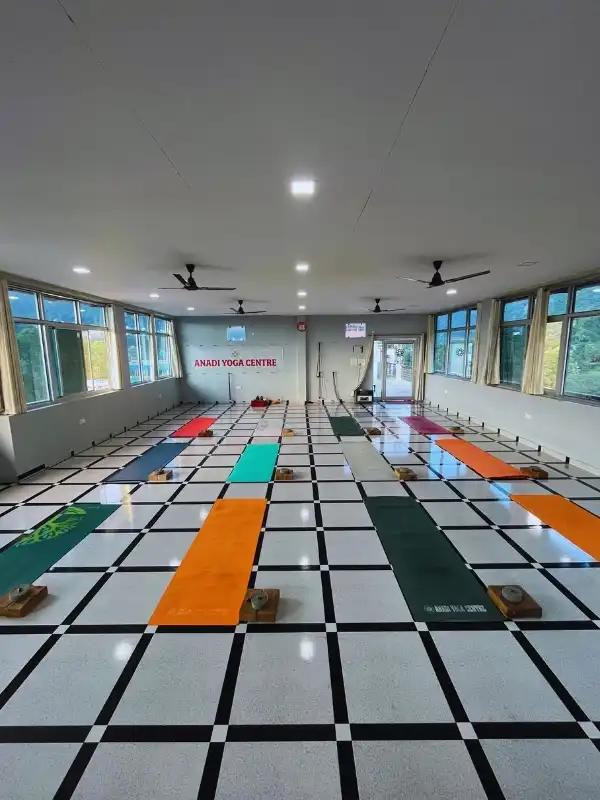
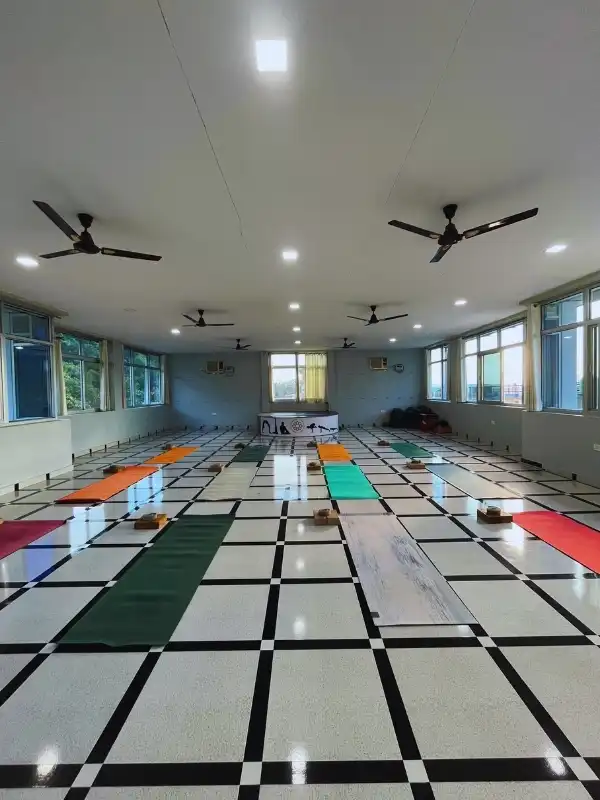
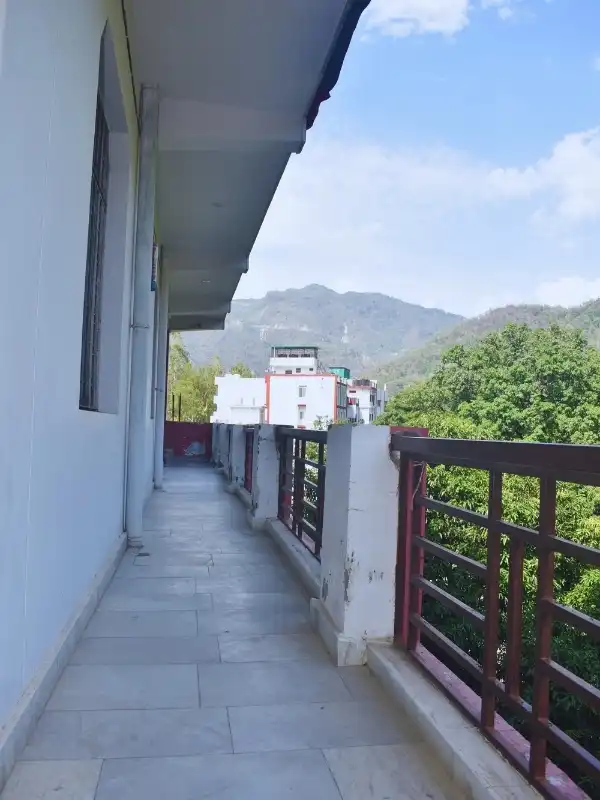
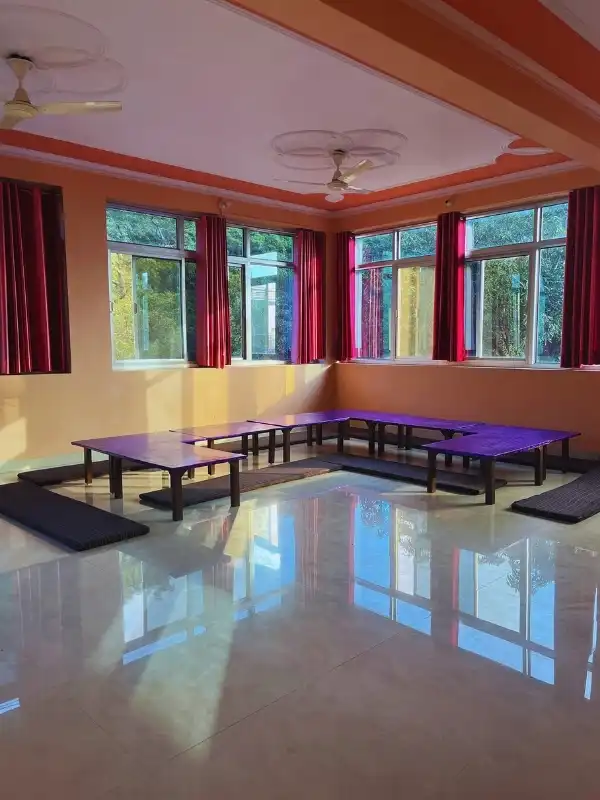
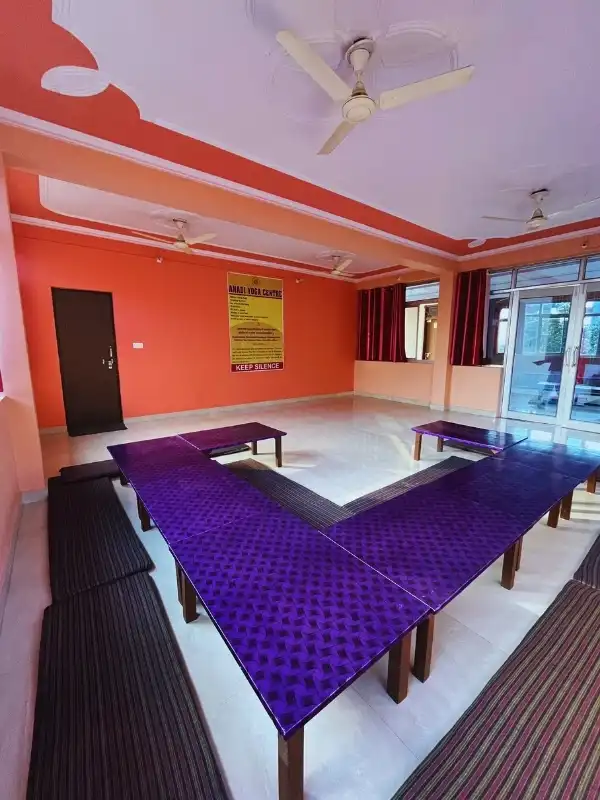
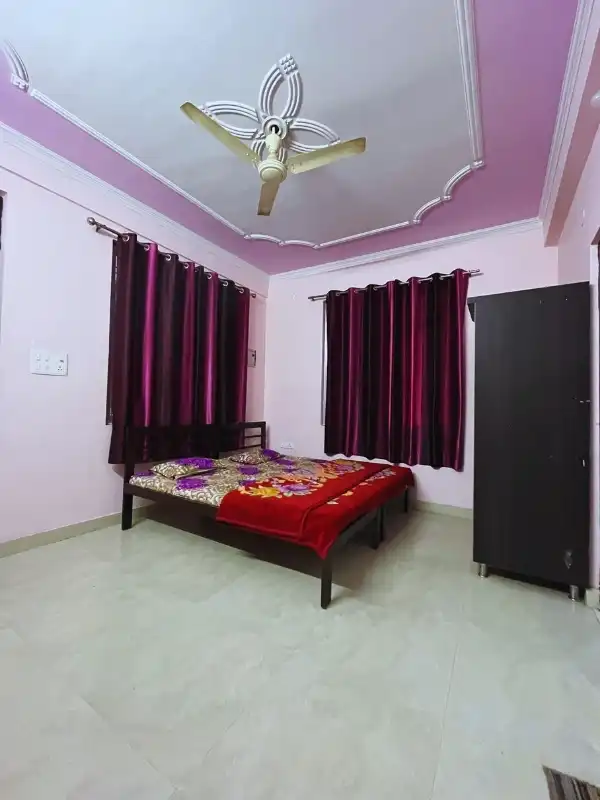

Room options (such as shared or private) depend on availability and your chosen package. If you have preferences, it’s best to communicate them early.
Food & Yogic Nutrition
Yoga is not only what you practice—it’s also what you consume. During teacher training, food is treated as part of sadhana (practice). The training atmosphere supports:
- Simple, nourishing meals designed for yogic routine
- Vegetarian-friendly options aligned with traditional yogic principles
- Hydration practices and mindful eating habits









Many schools in Rishikesh follow a sattvic-inspired approach—meals that are lighter, cleaner, and supportive for breathwork and meditation. If you have dietary needs (vegan, gluten sensitivity, allergies), inform the centre in advance so practical options can be discussed realistically.
Sundays are often left flexible so students can explore local cafés or enjoy their own rhythm, depending on the program structure.
Code of Conduct & Learning Environment
A yoga teacher training is powerful because it creates a container—an environment where your mind and body can focus. At Anadi Yoga Centre, students are expected to maintain conduct that supports the learning of everyone.
Typical guidelines include:
- Punctuality and respect for class times
- Full participation in mandatory sessions (unless unwell)
- Respectful behavior with teachers and peers
- Appropriate attire for practice and community spaces
- Avoiding alcohol, smoking, and intoxication during the course
- Maintaining cleanliness and a calm atmosphere in shared spaces
- Limiting distractions that interfere with training (late nights, excessive noise, etc.)
Discipline is not meant to feel harsh. It is meant to protect your time and your growth. When you follow a steady routine, yoga becomes easier to absorb—experientially, not just intellectually.
Evaluation, Completion & Certification
A training is meaningful when learning is integrated—not only attended. For successful completion, assessment often includes:
- Attendance requirements (Mandatory )
- Written assignments or reflections (philosophy, teaching points, self-study)
- Practical evaluation (teaching practice, cueing, sequencing)
- Ongoing participation and professionalism in class
Upon completion, students receive a course completion certificate from Anadi Yoga Centre.
Global Recognition: Our school is a Registered Yoga School (RYS) with Yoga Alliance, USA.
Professional Standards: This certification acknowledges that you have completed a program that meets the rigorous international standards for yoga education.
Career Ready: This credential allows you to register as a certified teacher (RYT) and practice professionally anywhere in the world.
Book Your Place & Begin Your Divine Journey
What You Gain After Completing the 200 Hour Yoga Teacher Training
Many people join a 200-hour course thinking primarily about a certificate. They leave realizing the certificate is only one part of what happened.
Here is what students most commonly take away:
You begin to understand yoga as a complete path—how postures support energy, how breath influences the mind, and how philosophy guides daily life.
When you live a yogic routine for four weeks, you naturally become more consistent, focused, and self-aware. You notice your habits. You see what distracts you. You discover what strengthens you.
Through daily practice, you learn how to read your body more accurately:
when to move deeper
when to stabilize
when to rest
how breath changes effort
how mind affects posture
This intelligence is one of the most valuable outcomes of training.
Teaching becomes less intimidating when you understand structure:
how to plan a class
how to build a sequence logically
how to offer modifications
how to cue safely
how to observe students and respond
You may not feel like a “master” after four weeks—and that’s normal. But you will have the tools to begin.
Yoga training often creates friendships that last. Practicing and living with like-minded people from different places can be one of the most heart-opening parts of the journey.
Daily Schedule — 200 Hour Yoga Teacher Training (Anadi Yoga Centre)
If you’ve ever started something new and felt great for three days… then fizzled out by day four, you already know the real challenge isn’t motivation. It’s structure. That’s exactly why the daily routine in Anadi Yoga Centre’s 200 Hour Yoga Teacher Training in Rishikesh matters so much—it keeps you grounded, focused, and moving forward even on the days when your energy isn’t doing you any favors.
This isn’t a “do a class and call it a day” kind of program. It’s an immersive month where your practice, study, and rest all have a place. The rhythm is steady on purpose. It helps you connect the dots between what you learn on the mat—breath, alignment, attention—and how you live the rest of your day. And honestly? That’s where the real growth happens.
Weekly Schedule for 200 Hour YTTC (Monday to Saturday)
At Anadi Yoga Centre, the training runs Monday to Saturday, with each day built around three things: practice, learning, and recovery. You’ll typically begin early, move through technique and theory as the day unfolds, and end with an evening session that helps you digest—not just the food, but the learning too.
It’s structured, but it’s not rigid for the sake of it. Think of it like guardrails. They keep you from veering off course when the days get intense, and they help you stay consistent without burning out. That balance—discipline plus breathing room—is what makes an intensive training feel doable.
| 5:30 AM | Wake Up |
| 5:45–6:00 | Herbal Tea |
| 6:00–6:15 | Nasal Cleansing |
| 6:30–7:15 | Pranayama |
| 7:30–9:30 | Asana & Alignment |
| 9:30–10:30 | Breakfast |
| 10:30–11:30 | Philosophy |
| 11:30–12:30 | Anatomy |
| 12:45–1:30 | Mantra Chanting |
| 2:00–2:45 | Lunch |
| 2:45–4:30 | Self Study |
| 4:30–6:00 | Asana |
| 6:30–7:15 | Meditation |
| 7:30 PM | Dinner |
| 10:30 PM | Lights Off |

Questions You May Have Before Joining
FAQs – 200 Hour Yoga Teacher Training in Rishikesh, India (Anadi Yoga Centre)
Are there any prerequisites to join the 200 Hour YTTC?
No strict prerequisites. We welcome sincere students from all backgrounds. The only real requirement is commitment—show up on time, stay consistent, and come with an open mind to learn and grow.
Can complete beginners join this course?
Yes. Many of our students start as beginners. The training is structured step-by-step, so you build a strong foundation first and then progress steadily without feeling overwhelmed.
Will I receive a certificate after completing the course?
Yes. After successful completion (attendance + assessments), you’ll receive a 200-hour Yoga Teacher Training certificate from Anadi Yoga Centre.
Is the certification valid internationally?
Your certificate is valid as a training completion certificate worldwide. If you want Yoga Alliance registration, make sure to check whether the specific batch/program is listed as an eligible school/program for registration, as policies depend on the registration status and your documentation.
Can I start teaching immediately after the course?
Yes—you can begin teaching after graduation. Some students teach right away, while others prefer to practice more, assist classes, or deepen their self-practice first. We support both paths.
Is it necessary to become a yoga teacher after finishing?
Not at all. Many people join to improve their health, understand yoga deeply, or experience the yogic lifestyle in Rishikesh. Teaching is optional—your journey is personal.
What styles of yoga will I learn in the 200 Hour TTC?
You’ll learn a balanced mix that typically includes Hatha and Vinyasa-based practices, along with Pranayama, meditation, mantra/chanting, yoga philosophy, anatomy, alignment, and teaching methodology—so you graduate with both knowledge and confidence.
How intense is the course physically?
It’s a disciplined program, but it’s designed to be doable. You’ll be guided to practice safely, modify when needed, and build strength and flexibility gradually. Consistency matters more than perfection.
What does a typical daily schedule look like?
Most days include early morning practice, theory sessions, and evening classes. The schedule is structured yet practical—so you stay focused while still having time to rest and recover.
Do we get a weekly day off?
Yes. Usually, one day per week is kept lighter or free (commonly Sunday), giving you time to rest, explore Rishikesh, or catch up on self-study.
What should I pack for the training?
Bring comfortable yoga clothes, a light jacket (mornings can be cool), personal toiletries, and any regular medications. If you use specific items (knee support, yoga strap, etc.), you may bring those too.
Do I need to bring my own yoga mat or props?
We generally provide basic props. If you’re very particular about your mat—or prefer your own for comfort and hygiene—you’re welcome to bring it.
What is the food like during the course?
We serve fresh, sattvic-style meals that support yoga practice—simple, nourishing, and balanced. The aim is to keep you energized without feeling heavy.
Is vegan food available?
Yes. Vegan options are available. If you have allergies or dietary restrictions, inform us in advance so the kitchen team can support you better.
Is the food very spicy?
We keep the spice level moderate and student-friendly. If you’re not used to Indian food, your body usually adjusts within a few days—and we do our best to keep meals comfortable for everyone.
Is drinking water safe?
We recommend drinking filtered water. Most schools provide filtered water on-site, and you can also use sealed bottles outside if you prefer.
Do I need travel insurance?
It’s not mandatory, but it’s a good idea—especially if you’re traveling internationally. Insurance can be helpful for unexpected health issues, delays, or lost baggage.
Is Rishikesh safe for international students?
Yes—Rishikesh is widely considered a safe and welcoming destination for yoga travelers. Like anywhere, stay attentive, avoid isolated areas late at night, and keep your valuables secure.
What about language—will I face issues communicating?
Most yoga schools and many local services in Rishikesh communicate comfortably in English. If you ever need help, our staff can guide you.
Can I buy a SIM card in Rishikesh?
Yes. You can purchase a SIM locally with valid ID (requirements can vary). Many students prefer getting help from the school team so the process is simpler and you get a network that works best in the area.
Do I need any vaccinations to join the course?
No specific vaccination is required for yoga training. If you’re traveling internationally, follow your country’s general travel guidance and consult your doctor if you have concerns.
Is there any age limit for joining?
We generally recommend the course for healthy students roughly from teens to older adults, as long as you’re medically fit for daily practice. If you’re unsure, speak with your doctor and inform us before joining.
What should I wear during the training?
Wear comfortable, modest yoga clothing appropriate for a traditional learning space. We recommend avoiding very short or overly revealing outfits during classes to respect the local culture and the training environment.
Can I join if I have an injury?
Possibly—depending on the injury. If it’s minor and stable, you can often practice with modifications. If it’s severe, recent, or chronic, consult your doctor first and inform us before arrival so we can advise appropriately.
Will the course help with spiritual growth?
Many students experience deeper clarity and inner calm in Rishikesh because the environment supports introspection. We include yogic philosophy, meditation, and mindful living elements—so your growth can be physical, mental, and spiritual.
Can I pay fees by card or international transfer?
Most schools accept card payments and/or bank transfers, but methods and charges vary. Confirm with Anadi Yoga Centre’s payment options and any transaction fees before paying.
What if I need to cancel or reschedule?
Each school has its own policy. We recommend checking Anadi Yoga Centre’s refund/transfer terms before booking so there are no surprises later.